Hitachi has celebrated the city of Utrecht’s commitment to a fully electric urban bus network with the delivery of an integrated, end-to-end solution that aims to position the project as a flagship for the group’s e-mobility capabilities.
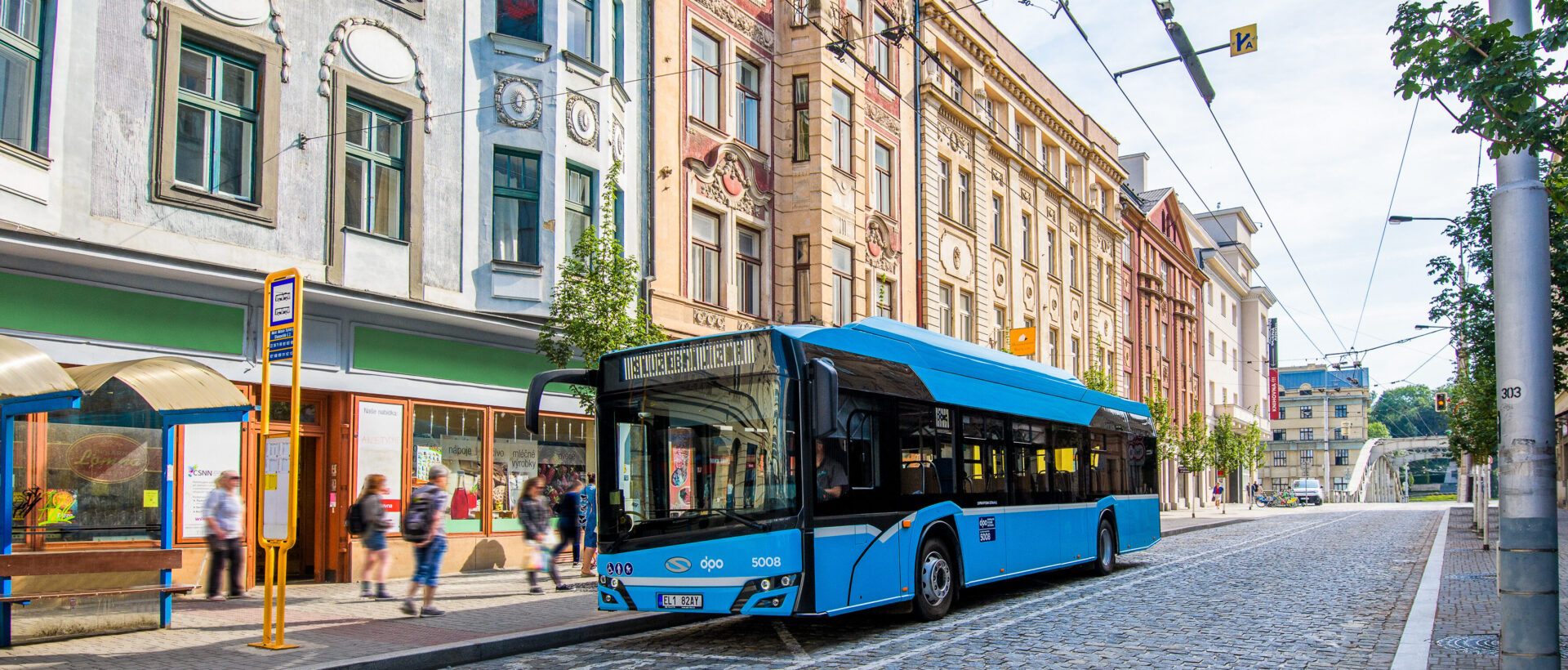
Having begun its new 10-year concession in December 2025; Transdev now operates electric buses across Utrecht’s city network, supporting the move towards a fully electric fleet.
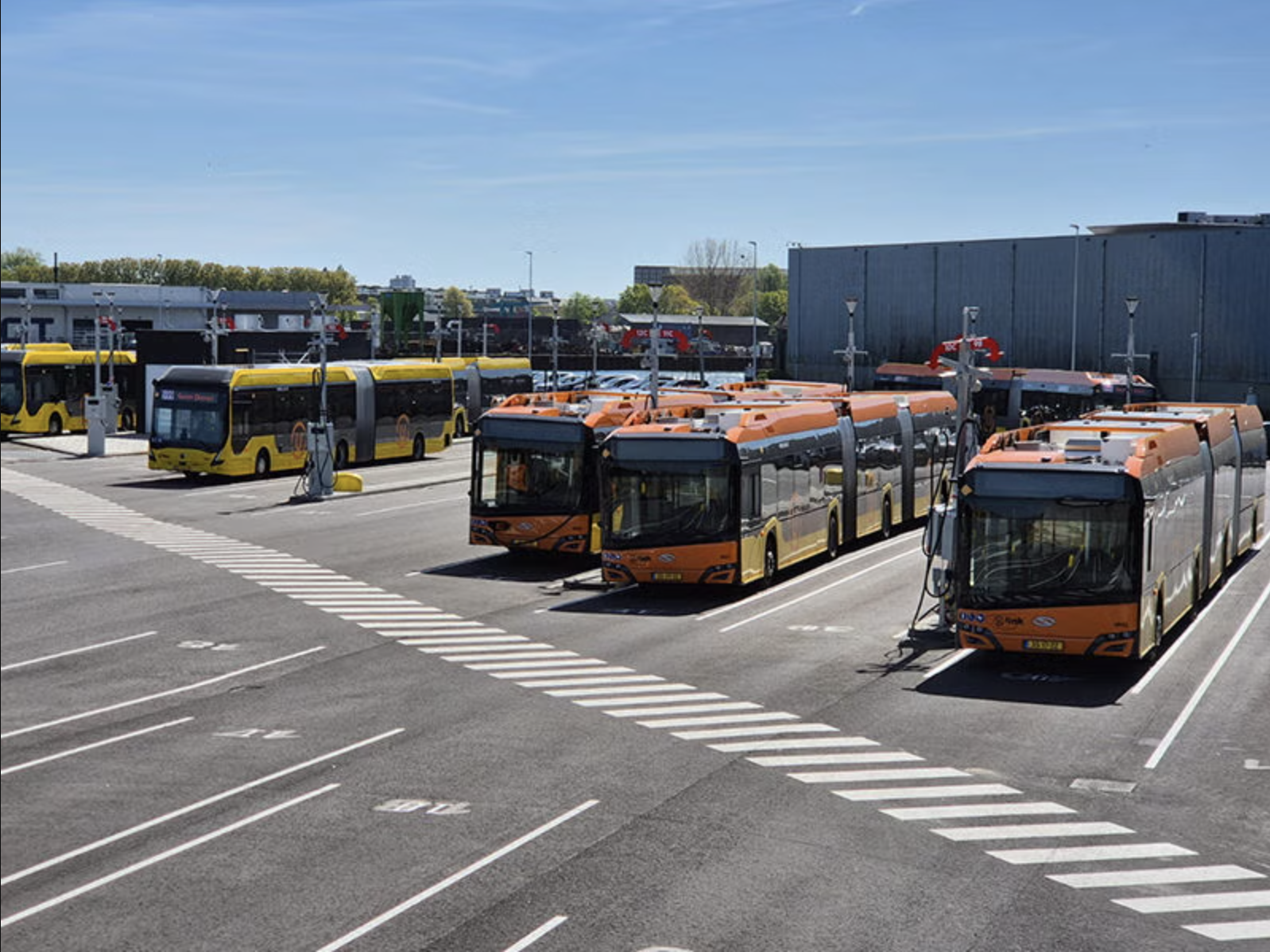
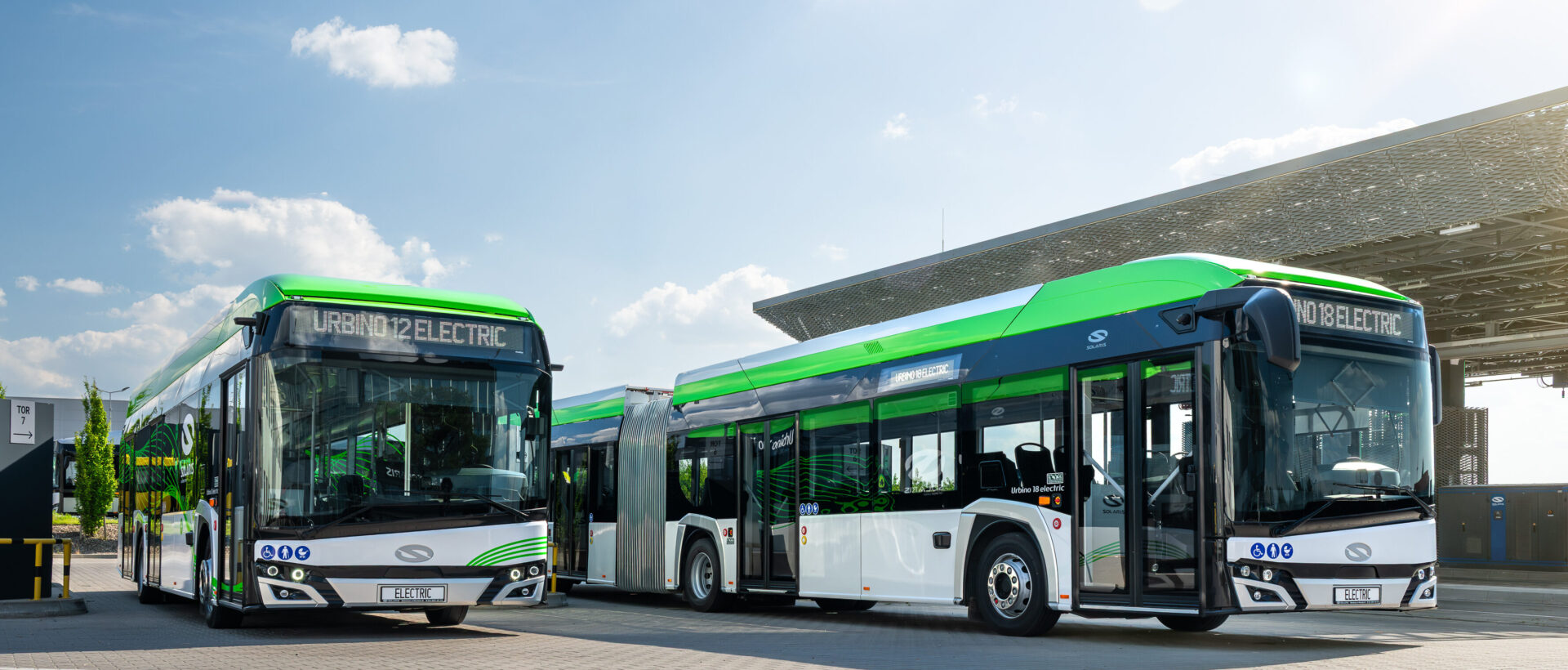
The company has pledged to invest over 350 million EUR in the transition, which will include the provision of 250 new electric buses and the integration of roughly 69 vehicles already in operation. Once finalised, this new fleet will serve almost 50 routes and more than 30 million passenger journeys each year.
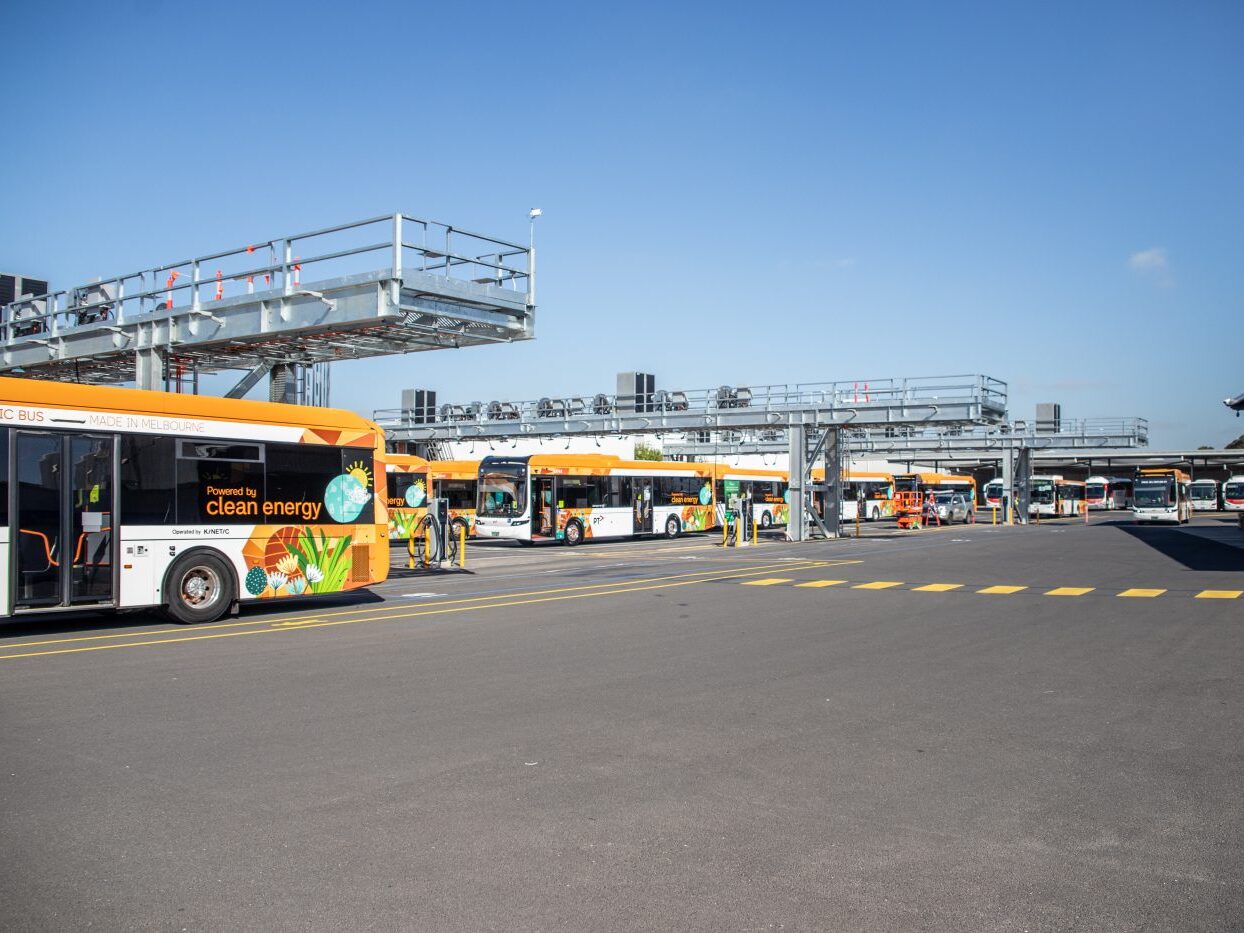
In order to deliver the Utrecht city project, all parties must account for space-constrained depots, the coordination of energy use across strict operating schedules, and the need for a reliable energy supply that supports fleet charging, shaping the scope of the project as a whole.
To this end, two of Transdev’s bus depots, which bring together coordinated contributions from Hitachi Energy, Hitachi ZeroCarbon, and Hitachi Rail, act as the main centre for the progression of electric fleet introduction. The initiative is backed by Hitachi’s Strategic Social Innovation Business (SSIB), which focuses on accelerating social‑innovation efforts across the Group, ensuring alignment with its ‘Inspire 2027’ direction.
By combining these capabilities under one unified delivery model; Hitachi aims to ensure seamless collaboration and a single, integrated interface for Transdev, whilst demonstrating its Hitachi One approach in the process.
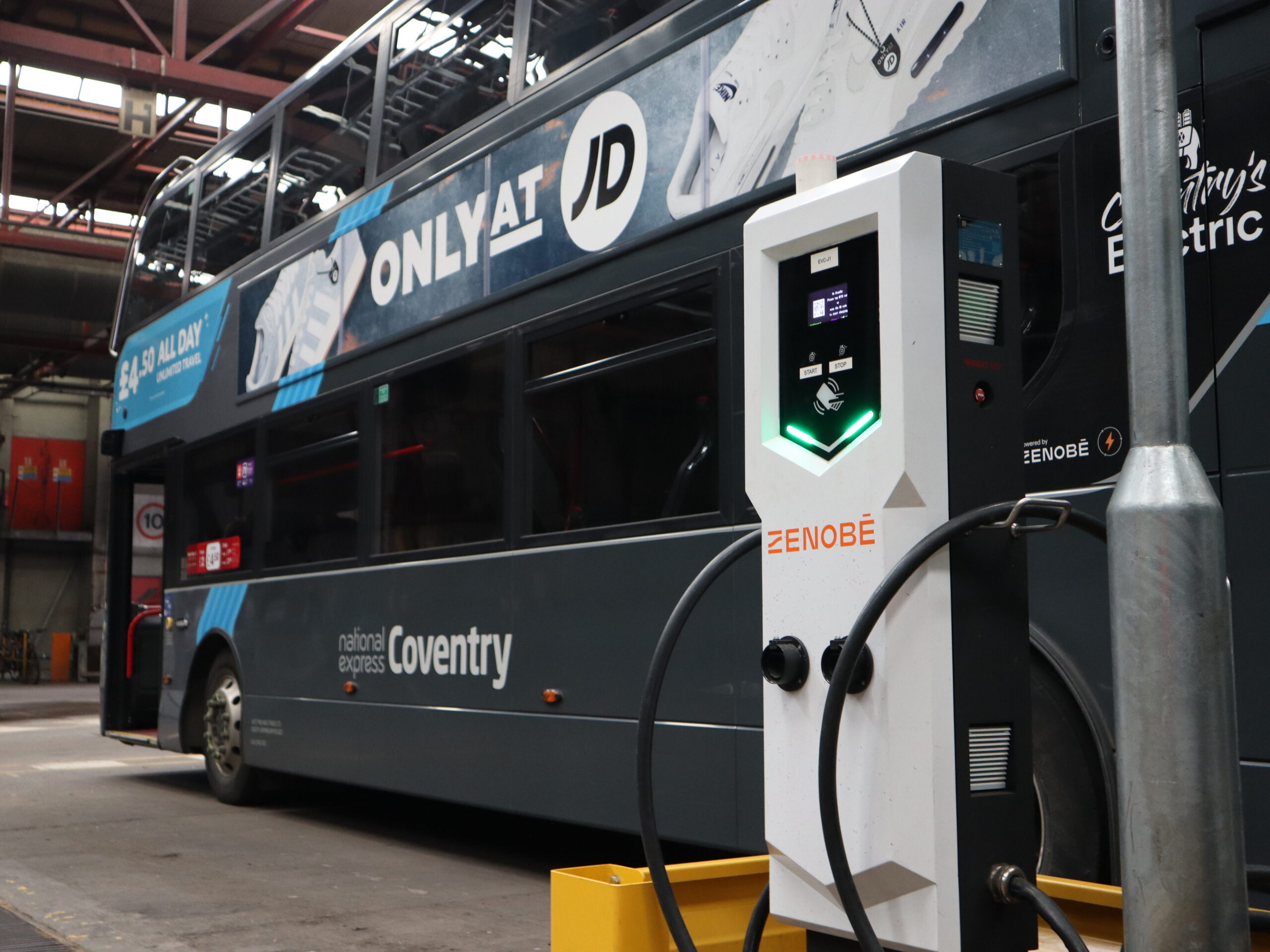
At the core of the solution is the Hitachi Energy’s Grid‑eMotion® Fleet charging infrastructure, which seeks to provide a compact, scalable charging backbone for large electric bus fleets, and has been designed to address depot space constraints by supporting fleet growth over time whilst supporting day-to-day operations in Utrecht.
Hitachi’s ZeroCarbon Charge platform aims to provide intelligent charging capabilities that optimise energy use, balance loads and reduce operational costs, and long-term performance is supported by Hitachi Rail’s local service capabilities, which seek to provide preventive and corrective maintenance for the charging infrastructure under a dedicated service framework.
Additionally, Hitachi Rail both supplies and maintains all validators used for passenger check-in on buses and trams within this concession, with the same equipment deployed across all Transdev buses in the Netherlands in an effort to ensure a consistent and reliable ticketing experience for passengers.
Marco Berardi, Head of Grid & Power Quality Solutions and Service at Hitachi Energy, said:The shift to zero‑emission mobility takes place at the edge of the energy system, where every element and the grid must work seamlessly together.
This integrated solution combines charging infrastructure, intelligent energy management, and long-term service support to help Transdev advance its zero-emission public transport ambitions in the Utrecht region while ensuring reliable daily operations.