The boundary between science fiction and urban reality is dissolving. Across the globe, high-tech transit systems are no longer just experiments—they are becoming the backbone of a new, automated era of mobility. From the bustling streets of Northern Europe to the historic squares of Italy, the shift toward autonomous public transport is gaining unstoppable momentum, driven by a fusion of Artificial Intelligence and advanced mechanical engineering.
The Vanguard of European Automation
Leading the charge, several European hubs have already integrated robotic shuttles into their daily infrastructure:
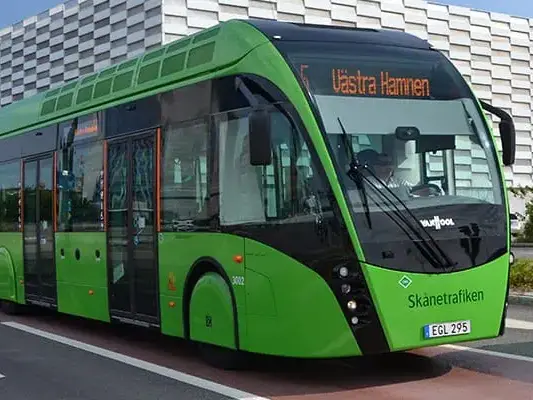
- The Netherlands: In the Rotterdam area, a sophisticated virtual-path network has been operational since 2022, bridging the gap between major transit hubs and business parks using fully automated electric pods.
- Finland: Helsinki has pioneered a smartphone-integrated fleet in the Pasila district. These vehicles move on dedicated lanes, all overseen by a sophisticated Remote Control Center (RCC).
- Spain: Following successful trials in Málaga—where AI-managed buses navigated the route between the city center and the port—Barcelona has also entered the arena, testing how AI handles real-world traffic congestion and pedestrian safety.
Italy: The New Laboratory for Smart Mobility
Italy is rapidly positioning itself as a central player. Turin, a pioneer in automated metros, is now bidding to become a national “living lab” through projects like AuToMove. Meanwhile, Milan is launching ambitious trials on its iconic trolleybus lines, and Trento is exploring how electric autonomous shuttles can revitalize historic centers, with a bold vision of slashing urban traffic emissions by over 90%.
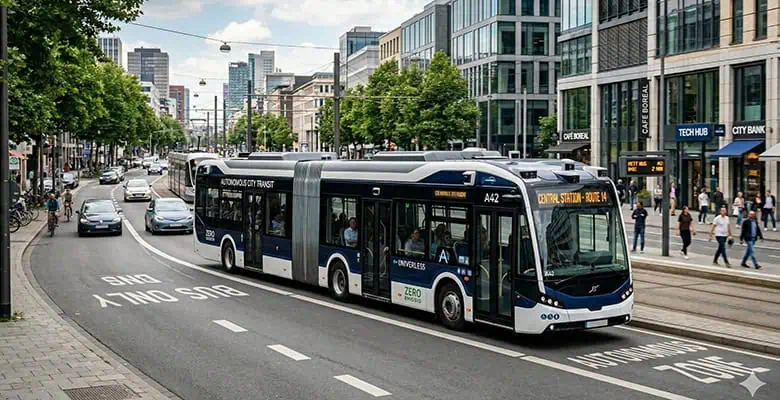
The Road Ahead: Challenges and Strategic Factors
The transition to a “driverless norm” rests on a “triple-threat” design philosophy:
- Seamless Connectivity: The perfect link between algorithms and the sensors embedded in the vehicle’s joints and control units.
- Structural Lightness: Utilizing lightweight bellows and frames to maximize the range of electric batteries.
- Regulatory Evolution: Creating the bureaucratic protocols and safety authorizations necessary to match the pace of technological innovation.
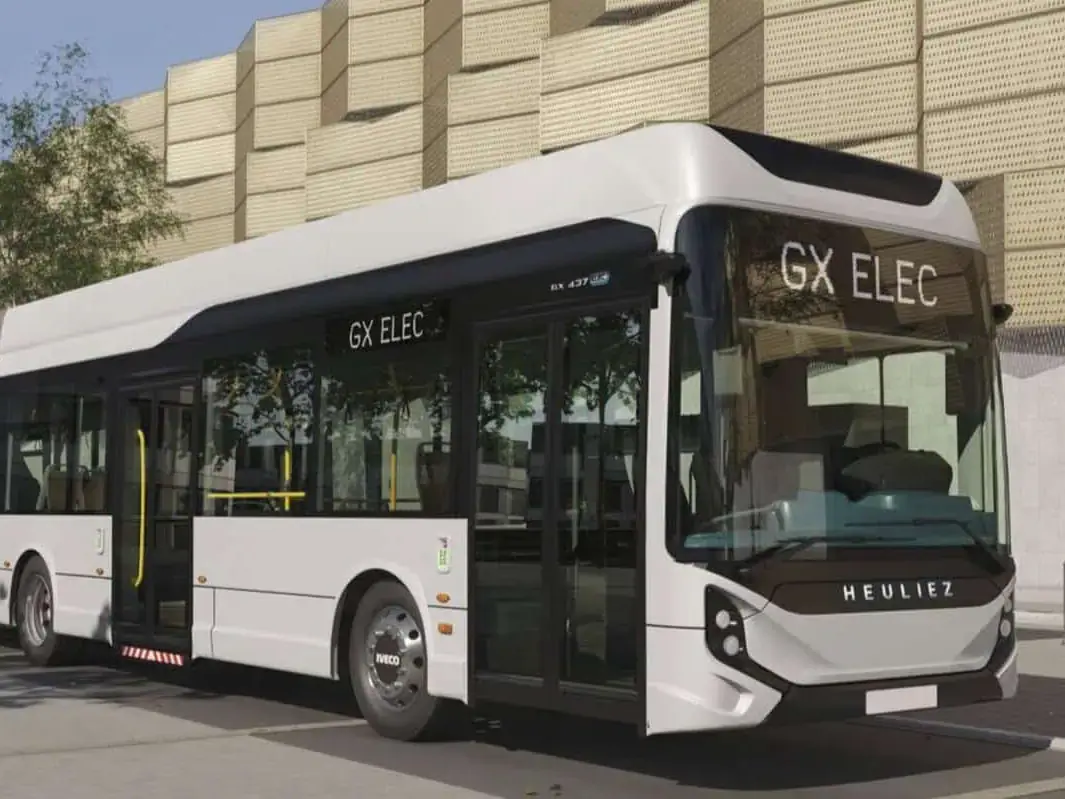
The move toward autonomous electric buses is a commitment to sustainability and efficiency. By eliminating human error and optimizing mechanical performance through smart articulations and control systems, these vehicles reduce operational costs and environmental impact simultaneously. As mayors worldwide express interest in transforming their streets, the question is no longer if public transport will be driverless, but how soon we will all be passengers in this new era.
PEI Mobility is ready and eager to support manufacturers in this new era, providing the essential foundations for autonomous transit with its advanced bellows, high-precision articulations, and integrated control units.