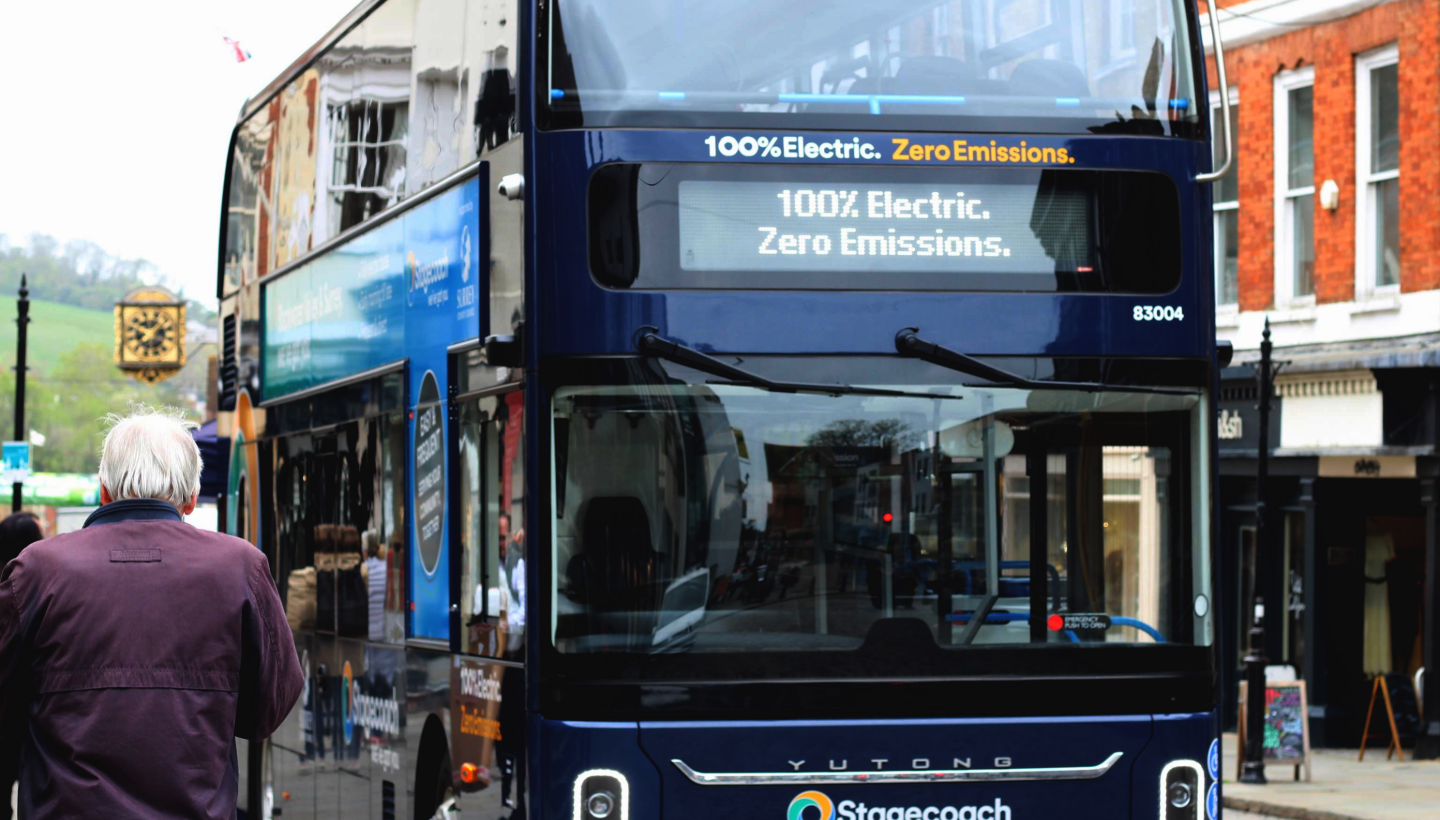
Yutong has officially launched its 2026 tree-planting initiative, the Net Zero Forest programme.
This year’s effort, which starts in Minqin, Gansu Province, kicks off the company’s annual, global afforestation campaign.
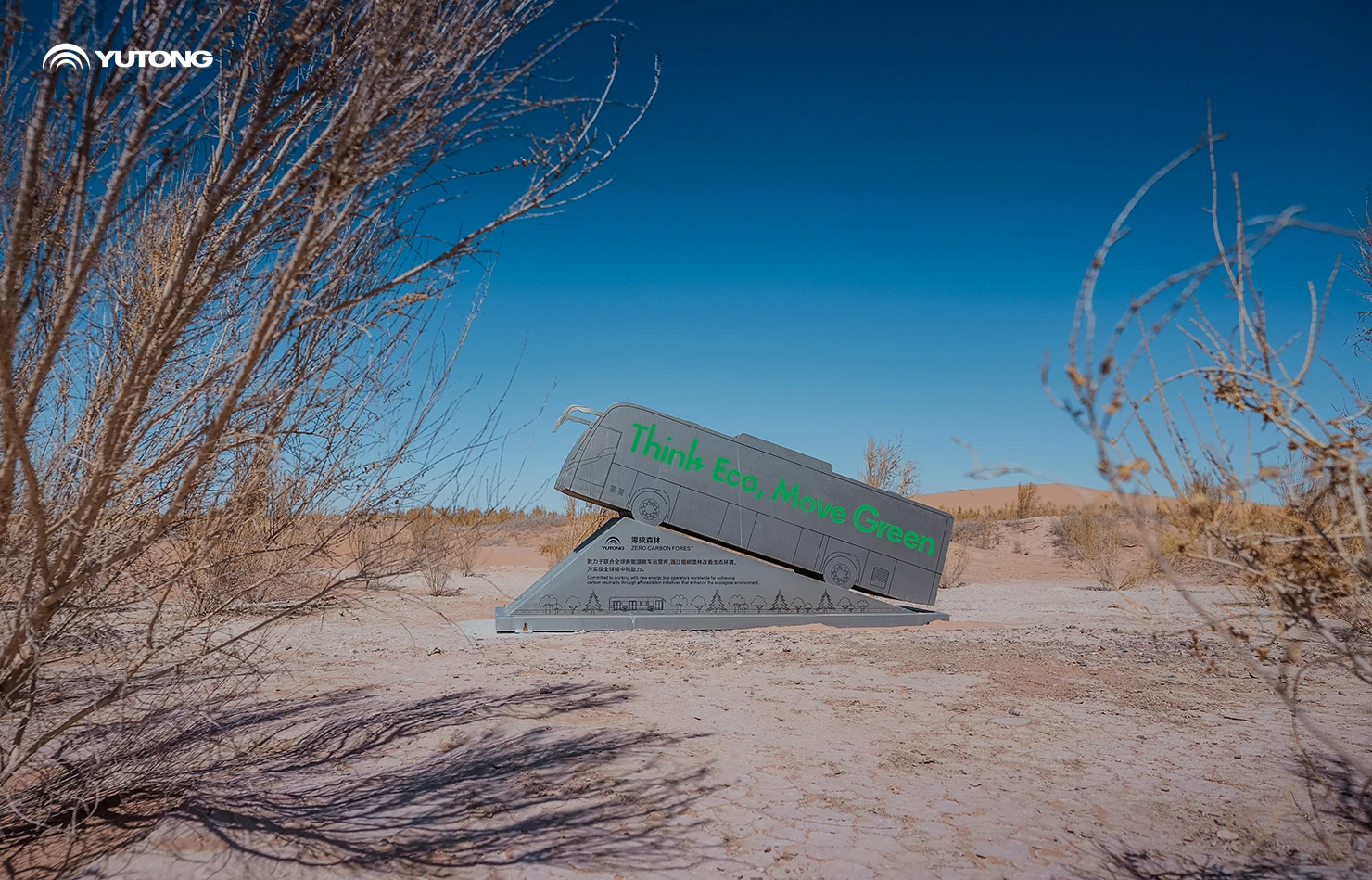
In 2026, Yutong intends to plant 49,518 new trees worldwide – starting with 44,218 trees in Minqin.
This large-scale initiative aims to aid the company in its fulfilment of its long-term green commitment of ‘One Bus, One Tree’.
By the end of 2025, the programme saw the planting of 83,700 trees across the Gansu Province (where it intends to have more than 110,000 trees planted by 2027), the United Kingdom, Mexico and Chile.
Yutong has stated that the operational emission reduction of new energy vehicles combined with the continuous carbon sink of forest ecology form an ‘effective synergistic value creation’.
The Net Zero Forest programme specifically selects tree varieties based on climatic and soil conditions in different countries in order to maximise ecological benefits:
- Minqin, Gansu: Focused on planting saxaul trees, known for their strong drought resistance and sand-fixing capacity, combined with straw checkerboard barriers to help stabilise shifting dunes
- United Kingdom: 22 species of trees selected, to increase urban green coverage and enhance carbon sink capacity
- Chile: Native tree species adapted to Chile’s Mediterranean climate to restore forest ecosystems and enhance biodiversity
Yutong has also partnered with local desert-control institutions in order to established standardised post-planting maintenance protocols, which, according to Ma Junhe, Executive Director of Gansu Qingsuo Public Welfare Development Center, require Haloxylon trees in Minqin to receive 5 to 6 rounds of irrigation within 2 to 3 years after planting, along with rodent control, pest prevention and regular patrols.
Moving forward, the company has confirmed it will continue to launch tree-planting activities across the world, including Mexico and Kazakhstan.