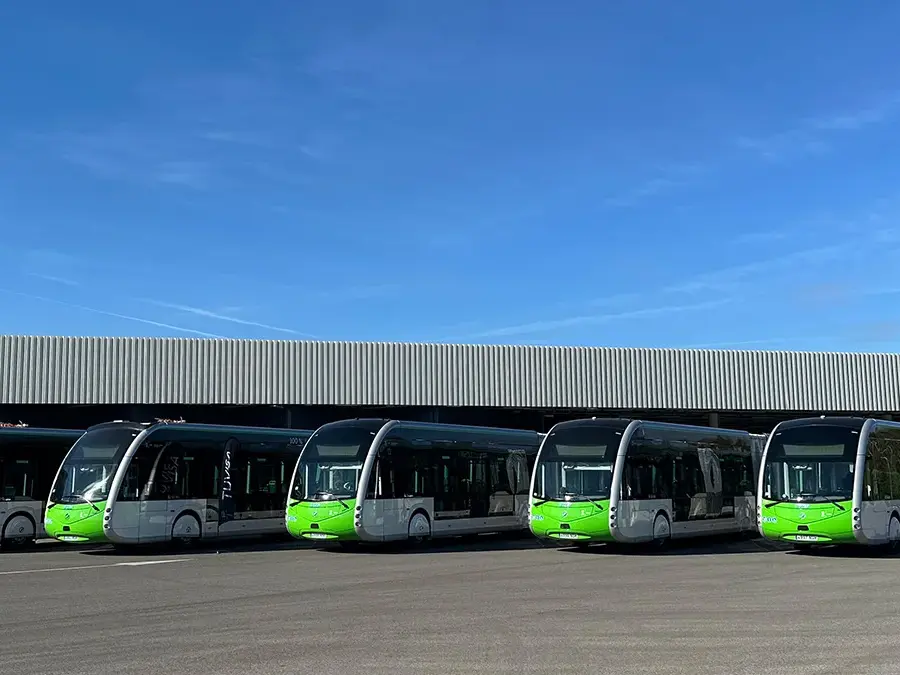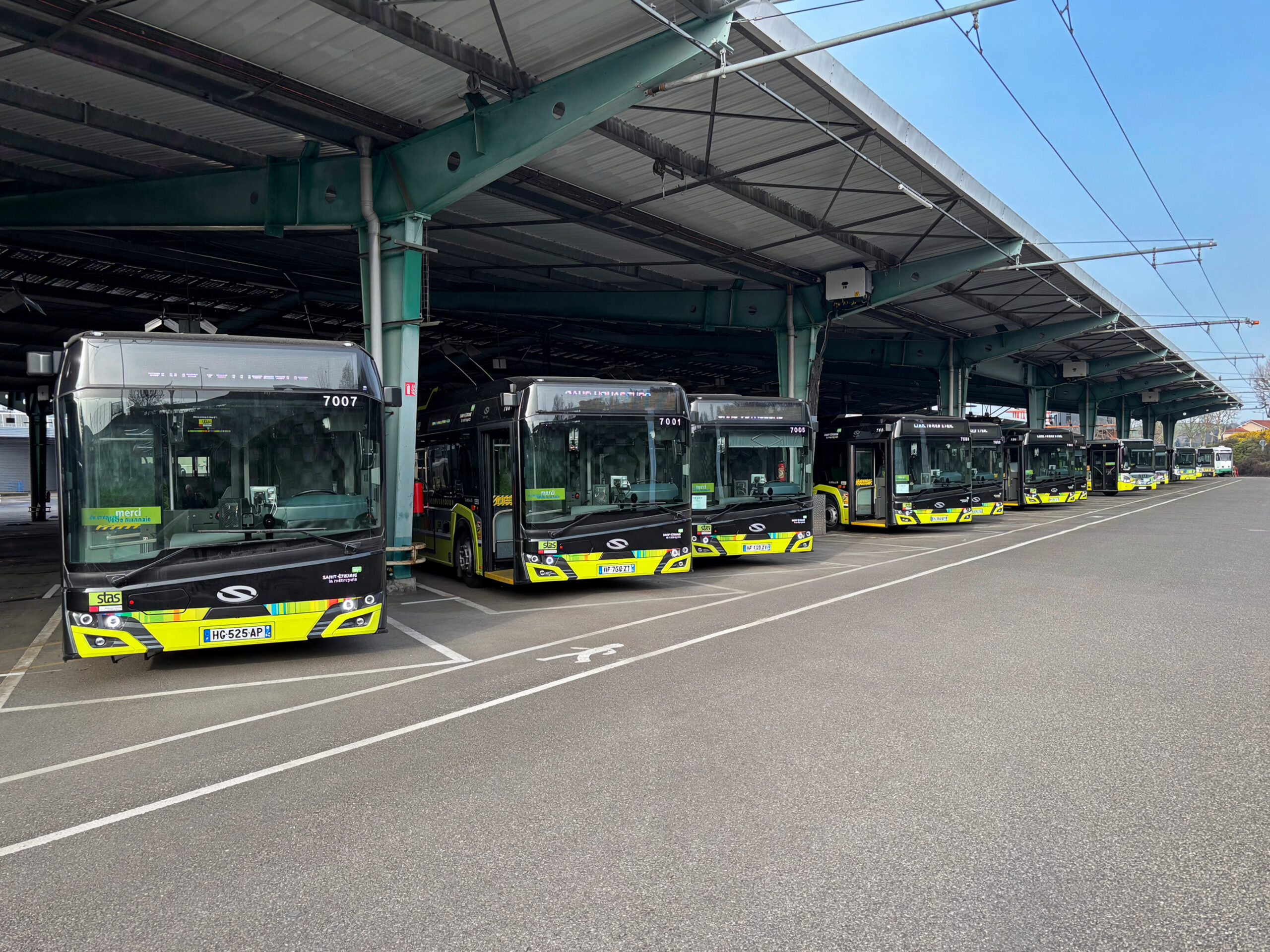
Solaris has announced receipt of Environmental Product Declarations (EPDs) for its Solaris Urbino 10,5, Solaris Urbino 12, and Solaris Urbino 18 modular drive electric bus models.
These datasets cover the vehicle life cycle, enabling measurement of the vehicles’ environmental impact at every stage – from emissions and energy consumption to recycling.
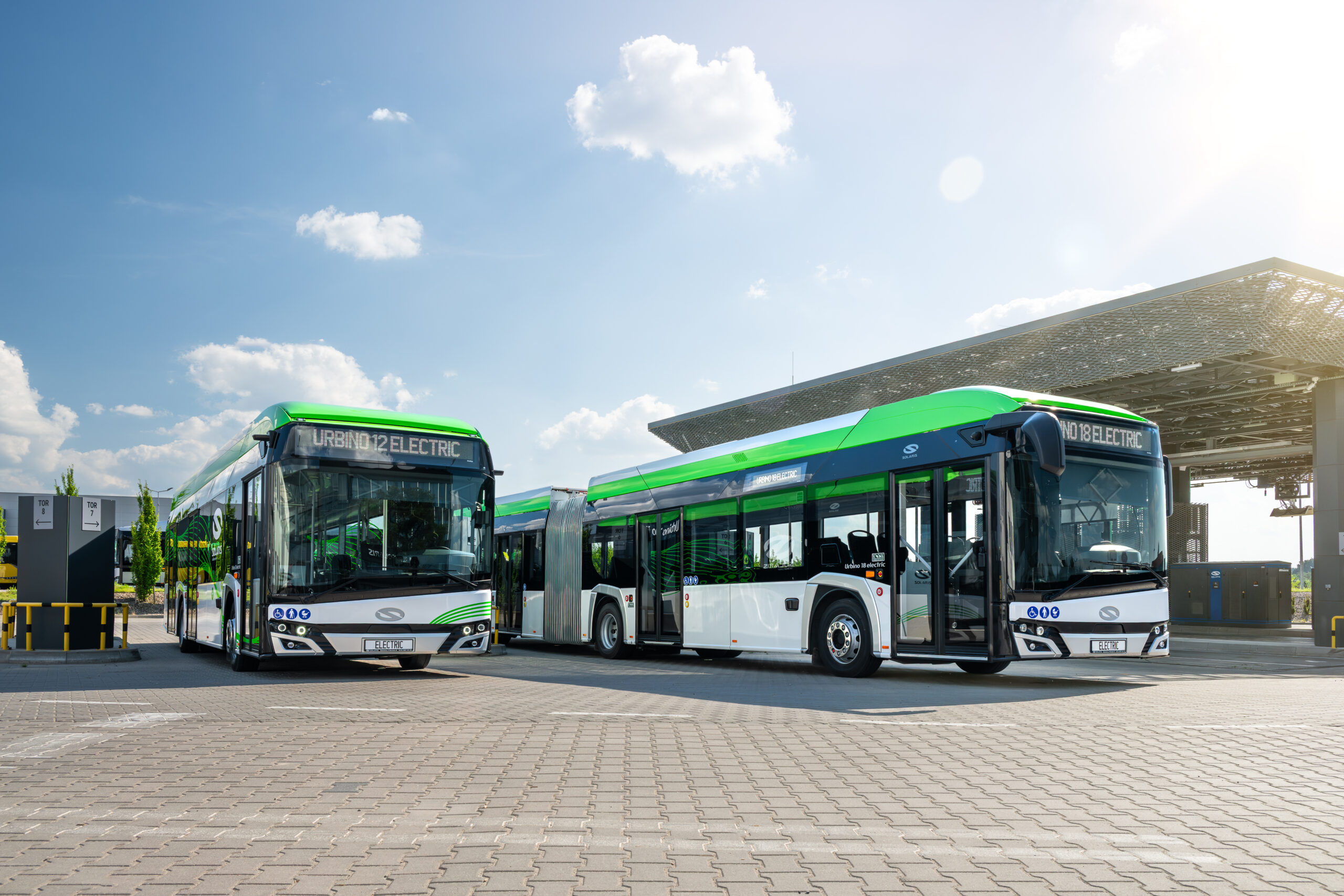
The manufacturer will continue to expand the environmental transparency of its portfolio, with three other Solaris models already having been awarded EPD labels.
An internationally recognised, independently verified environmental label; an EPD (Environmental Product Declaration) provides information about a product’s environmental impact – from raw materials and production, through through operation, to end-of-life treatment.
All documents were developed in accordance with ISO 14025 standards, as well as the Product Category Rules requirements for city and intercity buses.
The basis for preparing an EPD is a Life Cycle Assessment (LCA), which covers the entire vehicle life cycle.
It also takes into account, amongst other factors, energy consumption during operation, as well as the impact of the energy mix in the country where the bus is operated on the overall environmental footprint.
As a result, data is used to identify areas in need of optimisation – both in the supply chain and in the manufacturing processes, as well as in the energy efficiency of the vehicles.
These EPDs confirm the high recyclability level of Solaris buses, which range from approximately 96% to 98%, highlighting the vehicles’ potential within the circular economy and their limited environmental impact throughout the entire life cycle.
Solaris has received similar documents for its Urbino 18 hydrogen, Urbino 18 electric, and Urbino 12 hybrid models.