Safe-T-Punch™ Emergency Window Devices for Buses and Coaches
Safe-T-Punch™ is a fixed, mechanical emergency window glass-breaking device designed for compatible UNECE R43 toughened safety glass. For bus, coach and minibus applications, it mounts directly ON the designated emergency-exit window and operates without batteries, electronics or vehicle power.
The technology provides bus and coach manufacturers with a fixed alternative to loose emergency hammers, supporting passenger evacuation when conventional vehicle exits become inaccessible.
About Safe-T-Punch™
Safe-T-Punch™ is developed and supplied by PLR Distribution (Pty) Ltd, based in Johannesburg, South Africa. Inventor Ivan le Roux began developing the device in 1991. Our international distribution network serves markets including Southern Africa, the United Kingdom, Europe, Canada, India and New Zealand.
We support bus and coach manufacturers, bodybuilders, vehicle converters, public transport operators and fleet refurbishment specialists evaluating fixed mechanical emergency-window devices for new vehicles and existing fleets.
PLR Distribution operates an ISO 9001:2015 quality management system certified by TÜV Rheinland, covering design, outsourced manufacture, assembly and sales of safety products.
The On-Glass Emergency Window Egress Device for Buses and Coaches
When normal vehicle exits become unusable during an accident, fire or other emergency, passengers need a practical means of accessing designated emergency windows.
A loose emergency hammer must be present, located, retrieved and used effectively. Reduced visibility, vehicle damage, smoke and a disrupted passenger compartment can make these actions more difficult.
Safe-T-Punch™ addresses these variables by positioning the glass-breaking mechanism directly ON the designated emergency-exit window.
The fixed arrangement removes the need to locate a separate tool, select an impact point or manually align a handheld hammer with the glass.
Its mechanical operation is independent of the vehicle’s electrical systems, supporting emergency-window access when electronic controls or vehicle power become unavailable.
Bus and Coach Uses and Applications
Where the glazing and emergency-exit arrangement are suitable, Safe-T-Punch™ can be integrated into:
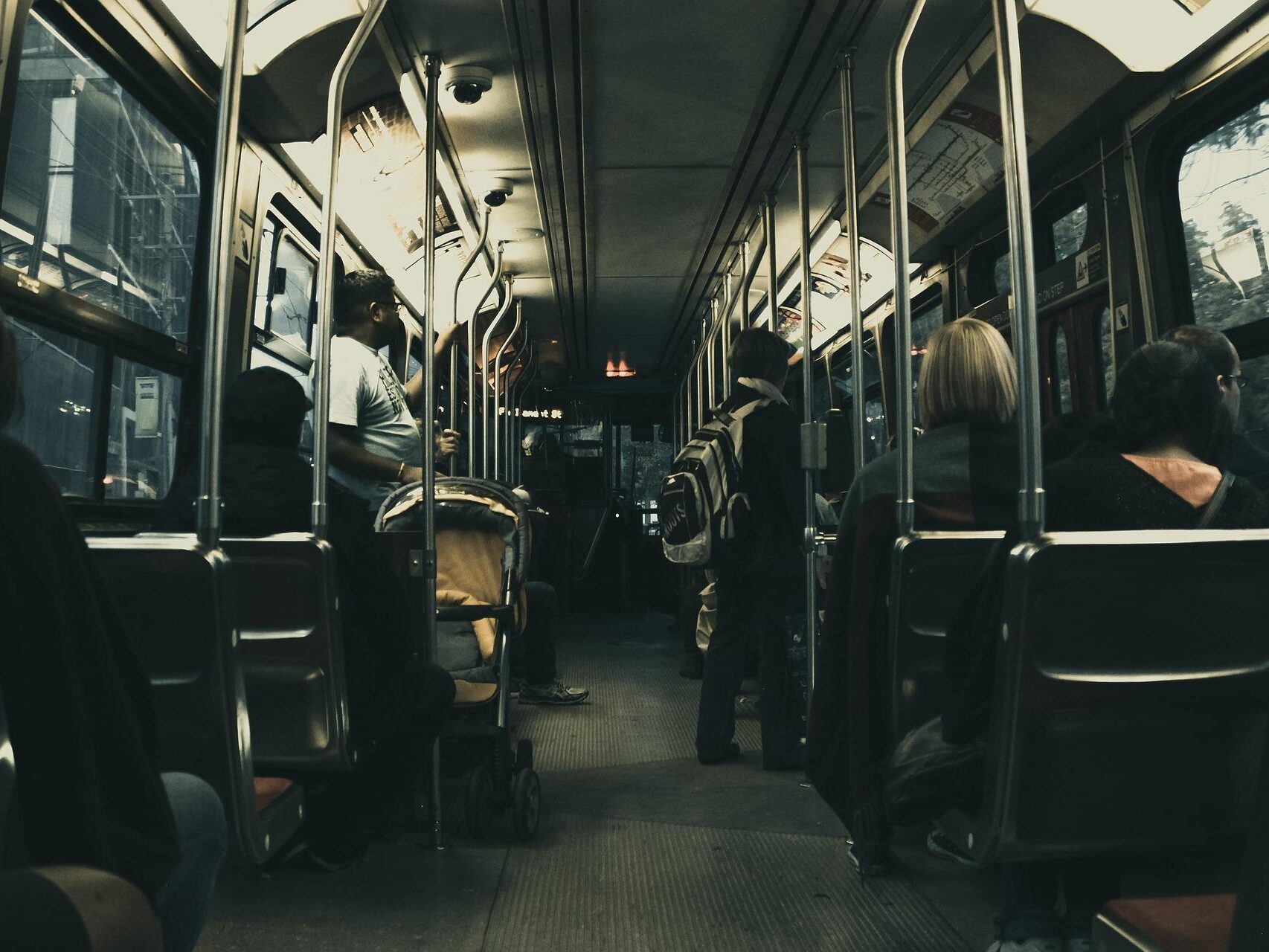
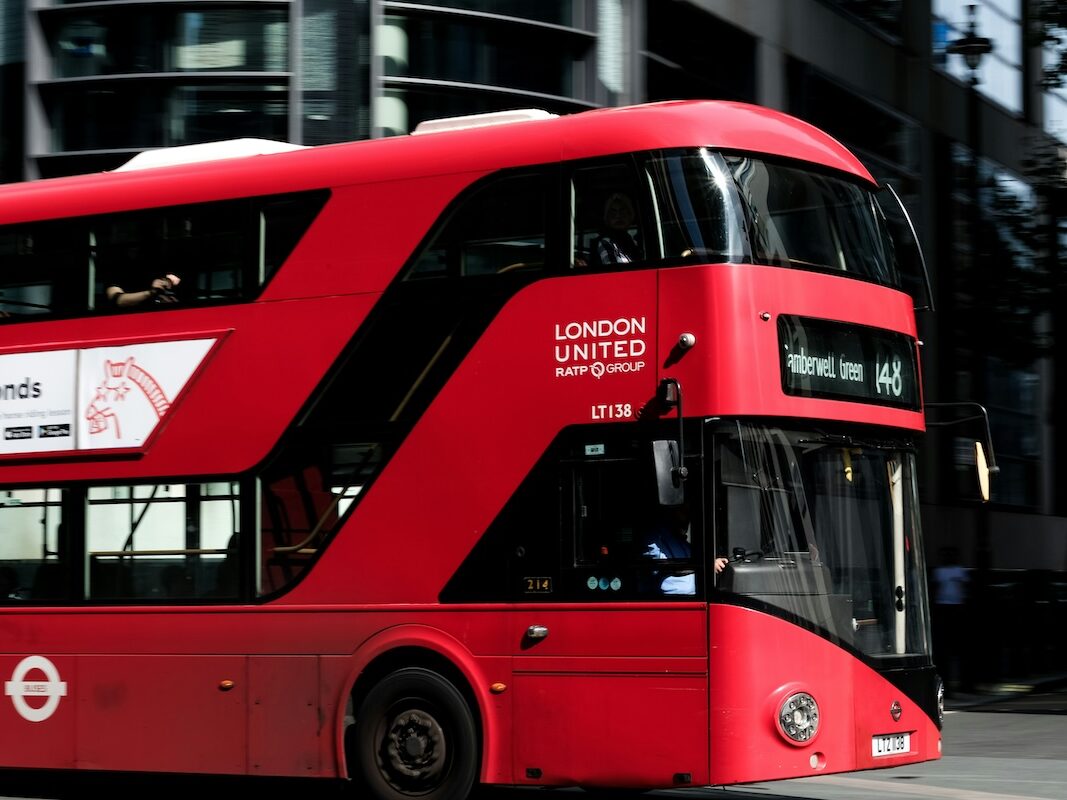
- Urban and City Buses: Fixed directly ON designated emergency-exit windows in passenger compartments, supporting emergency evacuation in public transport vehicles.
- Intercity and Long-Distance Coaches: Providing passengers with a mechanical glass-breaking device at designated emergency windows when normal exits become inaccessible.
- Minibuses and Midibuses: Supporting emergency-window access in compatible passenger transport vehicles, subject to vehicle-specific glazing and regulatory requirements.
- Airport Apron Buses: Offering a fixed alternative to loose emergency hammers in vehicles operating within controlled airport environments.
- New-Build Bus and Coach Projects: Incorporating the device, glazing specification and emergency operating instructions during vehicle development.
- Fleet Refurbishment and Retrofit Programmes: Adding fixed mechanical glass-breaking technology to suitable existing emergency windows during vehicle upgrades.
How Safe-T-Punch™ Works
Safe-T-Punch™ fixes the glass-breaking mechanism at the intended point of escape.
The passenger removes the yellow safety tag and strikes the red plunger. This action drives the tungsten carbide impact tip against the toughened safety glass at a predetermined point.
The device determines the point of impact, removing the need for the passenger to retrieve, aim and control a separate glass-breaking tool.
Its mechanical design operates without batteries, electrical connections, electronic controls, springs or vehicle power.
The removable safety tag provides a deliberate action before activation, helping prevent unintended operation.
Technical Design and Performance
Safe-T-Punch™ integrates the glass-breaking mechanism into the designated emergency-window arrangement.
Direct mounting ON compatible R43 toughened safety glass fixes the impact position and establishes a defined relationship between the device and glazing.
For bus and coach manufacturers, this allows the glass-breaking mechanism to be considered during vehicle design rather than treated solely as a separate emergency accessory.
The specified activation energy is 3 J. The passenger supplies the impact through the plunger, while the fixed mechanism determines where the tungsten carbide tip contacts the glass.
This reduces dependence on locating a loose emergency hammer, selecting a suitable strike point and maintaining the correct alignment of a handheld tool.
The mechanical design requires no electrical connection, battery, software or vehicle power. Its operation is independent of the vehicle’s electrical supply and electronic control systems.
For packaging and integration, the product range includes a 50 mm ABS-bodied model and 40 mm aluminium models for compatible single- and specialist double-glazing applications.
Direct adhesive mounting avoids drilling into the vehicle structure or adding electrical circuits. This supports integration during vehicle manufacture and refurbishment, subject to the glazing and installation requirements.
Photoluminescent pictogram instructions identify the operating sequence at the designated emergency exit.
Independent laboratory testing provides measured evidence of the glass-breaking action. In Wintech Report R13893 (2014), the STP40N broke all 42 samples of 4 mm and 5 mm toughened vehicle glass within two impacts under the report’s test conditions.
For engineering, R&D and homologation teams, the fixed design allows the device, glazing, frame and operating instructions to be assessed together as a defined emergency-window installation.
PLR Distribution supplies product specifications, installation guidance and test information to support application development and technical verification.
Supporting UNECE R107 Rev.10 Emergency-Exit Requirements
Emergency-window design is an important consideration in the development and homologation of M2 and M3 passenger vehicles.
UNECE Regulation No. 107, including its 10 series of amendments, establishes technical requirements for emergency exits in buses and coaches.
For emergency windows incorporating toughened safety glass, paragraph 7.6.8.2.2 requires an easy-to-operate device that enables a single person to break and remove the glass to create the required emergency opening.
The regulation also addresses device positioning, visibility, availability, protection against unintended operation and technical verification.
Safe-T-Punch™ supports the engineering approach reflected in UNECE R107 Rev.10 through its fixed mechanical design, direct on-glass installation and deliberate activation sequence.
Unlike a removable glass-breaking tool, Safe-T-Punch™ remains attached to the designated emergency-exit window during normal use.
Its mechanical independence also removes reliance on vehicle power for the glass-breaking action.
For homologation purposes, the complete emergency-window installation must be assessed against the applicable regulatory requirements.
This includes device positioning, passenger accessibility, glazing compatibility, glass fracture, removal of broken glass and creation of the required unobstructed emergency opening.
Product-level testing supports application development but does not replace vehicle-specific verification or homologation of the complete emergency-exit arrangement.
Glazing Compatibility and Emergency Window Specification
Safe-T-Punch™ is designed for compatible UNECE R43 toughened safety glass, also known as tempered glass.
It is not designed to create an escape opening through laminated glass.
Model selection depends on the glass thickness, glazing construction, installation requirements and intended vehicle application.
Our technical approach considers the complete emergency-window arrangement, including device accessibility, glazing compatibility, glass fracture, removal of broken panes and creation of a usable emergency opening.
Where glazing films are incorporated, their compatibility with the device and the complete escape-opening arrangement must also be considered.
Photoluminescent Emergency Operating Instructions
Emergency operating instructions must remain identifiable when normal vehicle lighting becomes unavailable.
Safe-T-Punch™ is accompanied by a Grade C photoluminescent instruction sticker, providing a clearly illustrated three-step operating sequence.
The pictograms reduce reliance on written instructions, helping passengers identify the required actions regardless of language.
The photoluminescent material supports visibility in darkness after sufficient exposure to light, without requiring batteries or an electrical supply.
The signage design incorporates relevant principles from EU Directive 92/58/EEC, EN ISO 7010, ISO 3864-1 and ISO 3864-4.
Together, the fixed device and operating instructions provide a clearly identifiable mechanical emergency-window arrangement.
Supporting New Bus and Coach Development
For original equipment manufacturers, emergency-egress technology is most effectively considered during vehicle design and development.
Integrating Safe-T-Punch™ into the emergency-window specification allows engineering teams to evaluate device placement, glazing compatibility, passenger accessibility and operating instructions as part of the complete vehicle design.
This approach supports collaboration between vehicle designers, glazing suppliers, body engineers, test and validation teams and homologation specialists.
The fixed mechanical design introduces no additional electrical circuits, electronic interfaces or software dependencies.
PLR Distribution provides technical information to support manufacturers evaluating Safe-T-Punch™ for new vehicle platforms and production programmes.
Supporting Bus and Coach Fleet Retrofit Projects
Existing bus and coach fleets may also benefit from evaluating fixed mechanical emergency-window technology.
Where the installed glazing and emergency-exit arrangement are suitable, Safe-T-Punch™ can be considered for integration during refurbishment, vehicle upgrades or planned maintenance programmes.
Direct adhesive mounting avoids the need to drill into the vehicle structure or introduce electrical connections.
For fleet operators, the fixed arrangement also removes the need to locate and retrieve a separate emergency hammer when the device is required.
Every retrofit application must be assessed against the existing glazing construction, installation conditions and applicable vehicle safety requirements.
PLR Distribution supports retrofit assessments through product specifications, installation guidance and technical information.
Key Safe-T-Punch™ Emergency Window Products
- STP50P Emergency Window Device
A 50 mm diameter ABS-bodied mechanical emergency-window device for compatible 3–12 mm toughened safety glass.
Designed for integration into designated emergency-exit windows in passenger transport applications, including suitable buses, coaches and minibuses.
The fixed on-glass arrangement provides a mechanical glass-breaking mechanism without batteries, electronics or vehicle power.
- STP40N Aluminium Glass-Breaking Device
A 40 mm diameter anodised aluminium emergency-window device for compatible single-glazing applications using 3–12 mm toughened safety glass.
The robust mechanical design also supports suitable specialist transport and mobile equipment applications, including mining, agricultural, construction and forestry machinery, subject to installation requirements.
- STP40D Specialist Double-Glazing Device
A heavy-duty, 40 mm diameter aluminium device developed for specialist double-glazing and retrofit applications.
The device is designed for specified double-glazing arrangements where the glass-breaking mechanism must accommodate the separation between glazing panes.
Selection and installation must follow the model-specific requirements for the complete glazing arrangement.
- IDSS Photoluminescent Instruction Sticker
A Grade C photoluminescent instruction sticker incorporating three-step pictograms for emergency-window operation.
The instructions reduce reliance on written language and support visibility in darkness after sufficient exposure to light.
Technical Support for Bus and Coach Manufacturers
PLR Distribution works with bus and coach manufacturers, engineering departments, homologation specialists, vehicle converters and fleet operators evaluating fixed mechanical emergency-window technology.
We provide product specifications, installation guidance and test information to support technical assessments, vehicle integration and demonstration requirements.
Whether the project involves a new bus platform, a coach development programme or an existing fleet, our objective is to support the appropriate adoption of fixed mechanical emergency-egress technology.
To discuss your bus or coach project.
Contact Safe-T-Punch™ to request a technical information pack, discuss your glazing configuration or arrange a product demonstration.
Visit www.safe-t-punch.co.za to explore our emergency-window technology and technical information.
Safe-T-Punch™ | Fixed. Ready. Certain.