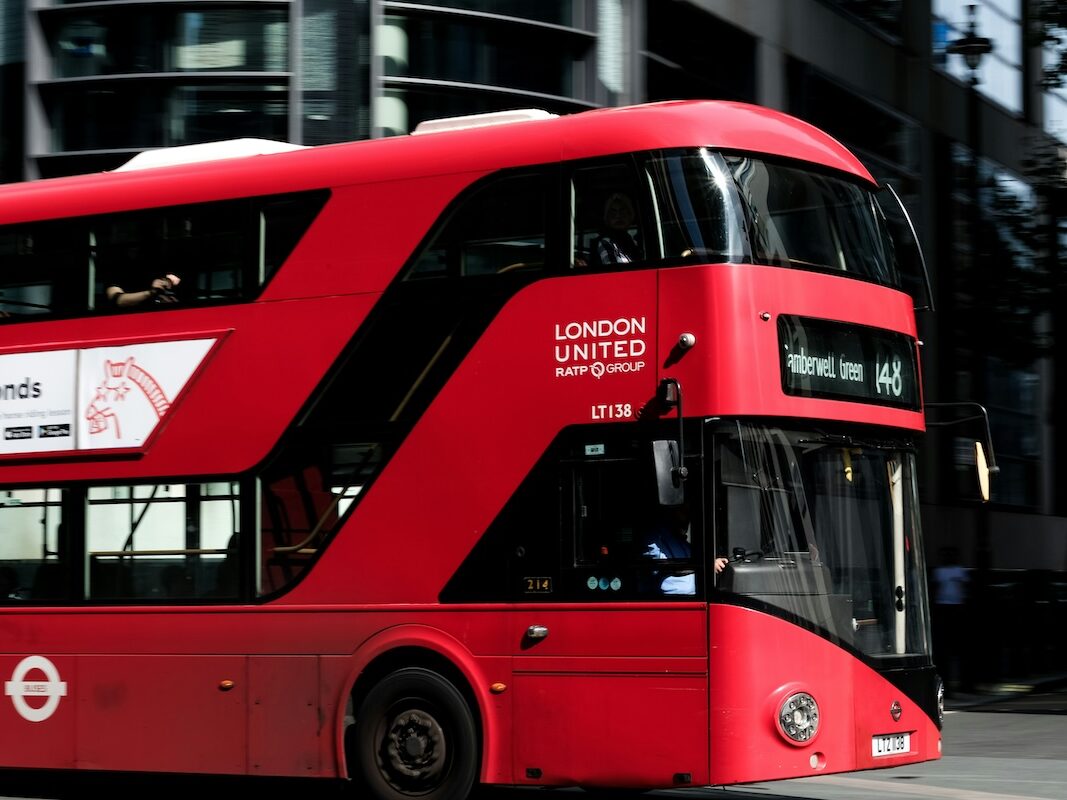
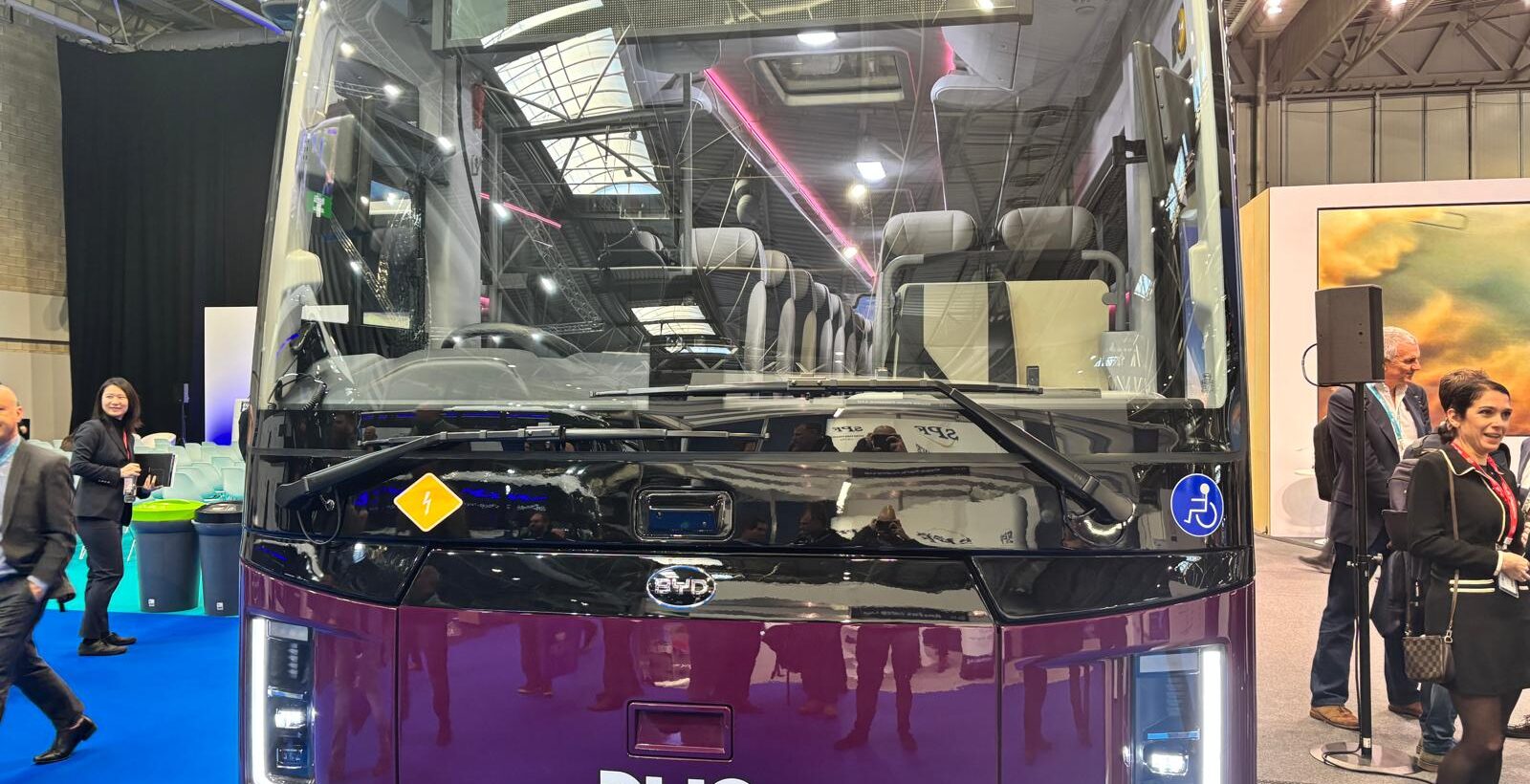
A bus can be equipped with collision-avoidance technology, stability controls and sophisticated onboard monitoring. But what happens when prevention is no longer enough? For passengers facing smoke, damaged doors or a loss of power, the question is suddenly much simpler: can they get out?
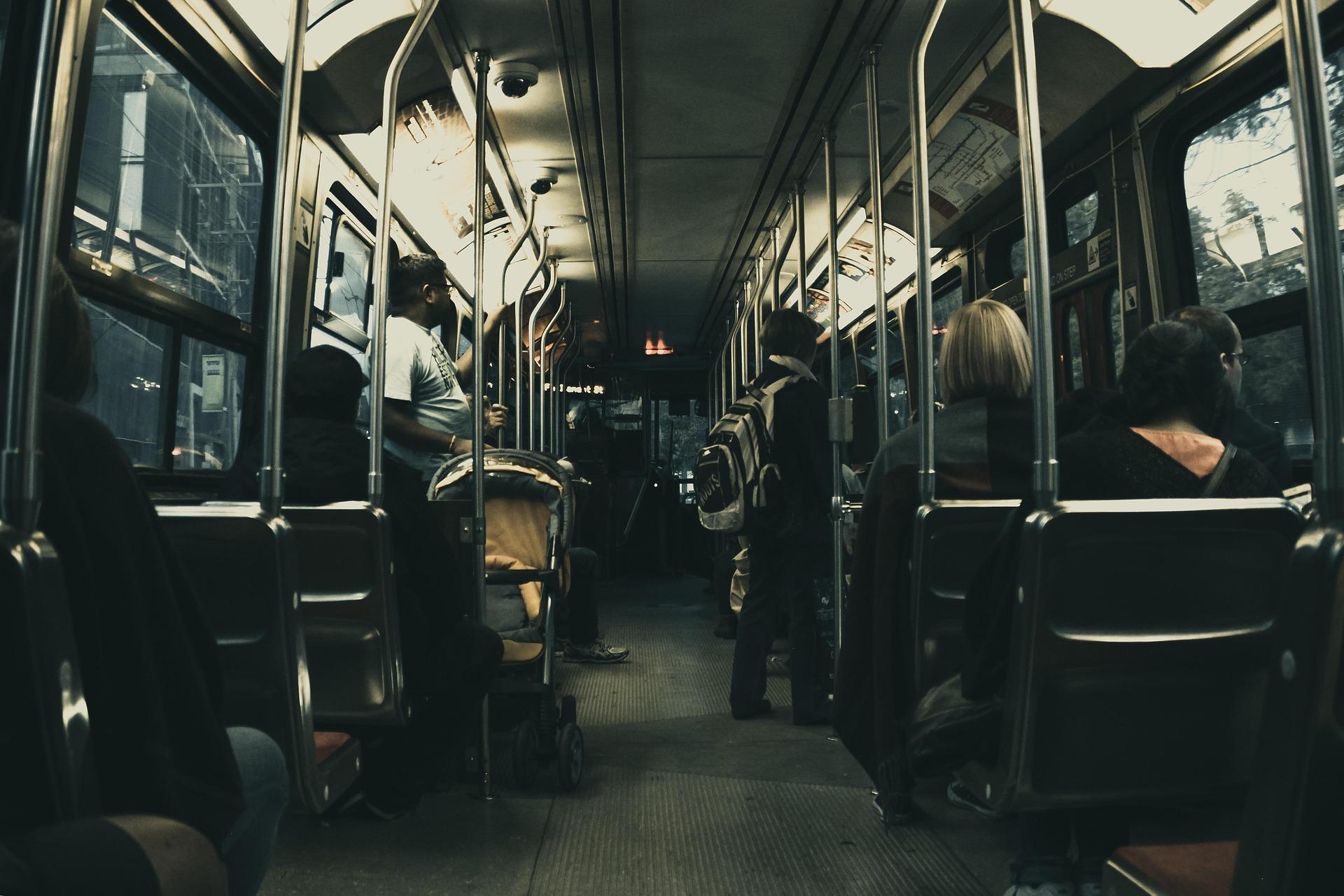
That is why emergency egress deserves attention beyond the compliance checklist. Modern safety engineering works hard to stop incidents before they happen. Yet fires, collisions and electrical faults remain possible. When an emergency unfolds, a usable escape route becomes the final protective layer between passengers and serious harm.
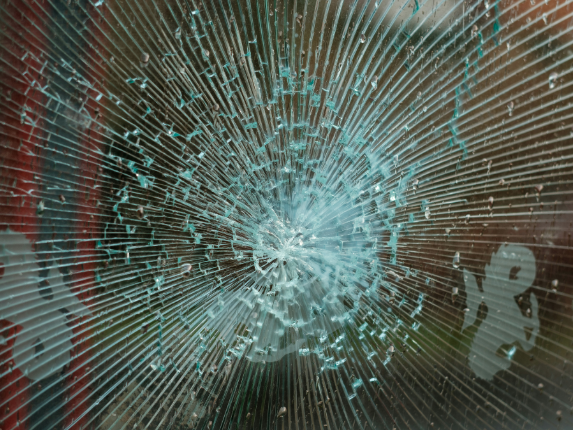
UNECE Regulation No. 107, including its 10 series of amendments, brings this challenge into sharp focus for buses and coaches. Its provisions address emergency windows and, for certain toughened-glass exits, an easy-to-operate breaking device. The requirements consider the practical result: whether a person can create the necessary opening, not merely whether equipment is present.
The amendments also address where breaking devices are located and their availability. Where an electronic breaking device is used, power-supply failure matters too. These details reveal a crucial distinction: an emergency provision must be usable in the circumstances in which it is needed.
The ISO 26262 series offers a related, but different, perspective. It deals with functional safety risks arising from malfunctioning electrical and electronic systems in road vehicles. It does not establish bus emergency-window rules. Its relevance here is the broader engineering discipline of identifying what can go wrong and designing accordingly.
For manufacturers and operators, the opportunity is to examine emergency exits through the eyes of the person who may need them. If visibility is reduced or power is lost, will the exit be clear, accessible and straightforward to operate? Asking that question early in vehicle design may reveal where an independent mechanical approach can complement existing protections. Prevention and escape belong in the same safety conversation.
Safe-T-Punch™ offers one mechanical approach for designated toughened-glass emergency windows. Mounted directly ON the window, the fixed device is operated physically and does not rely on batteries, vehicle power, software or a communications network. Its suitability still depends on the glazing, installation and applicable vehicle requirements.
The strongest safety strategy does not end with preventing the emergency. It asks one more question, on behalf of every passenger, including those least able to act quickly or confidently: if everything else goes wrong, what will still work?
Sources and Further Reading
UNECE Regulation No. 107, 10-series amendment proposal (ECE/TRANS/WP.29/2022/53). Primary regulatory text on emergency windows, breaking-device placement, testing and electronic-device power-failure provisions. Open source
ISO 26262-1:2018, Road vehicles: Functional safety, Part 1. Official ISO scope and vocabulary; context for the wider E/E functional-safety series, not emergency glazing. Open source
Safe-T-Punch™ official website. Manufacturer information on the fixed mechanical emergency-window device. Open source
This article was originally published by Safe-T-Punch.