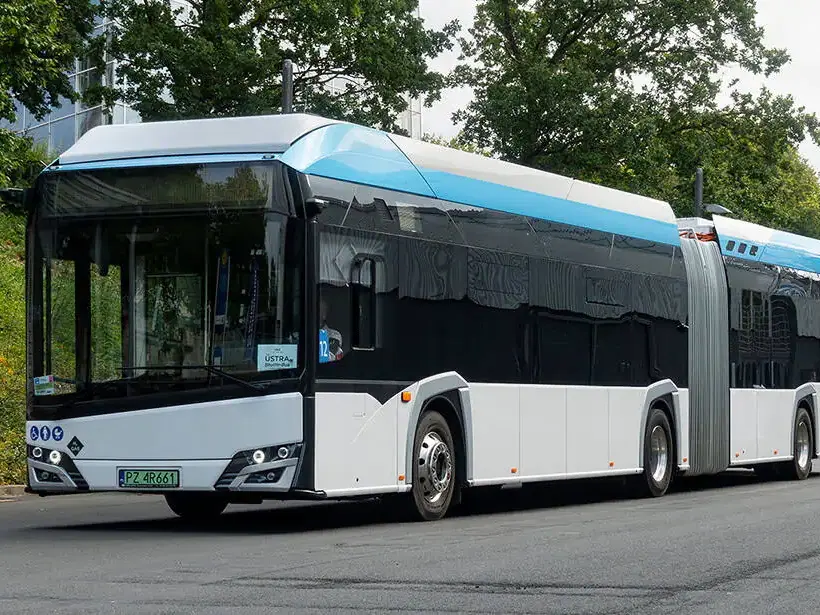
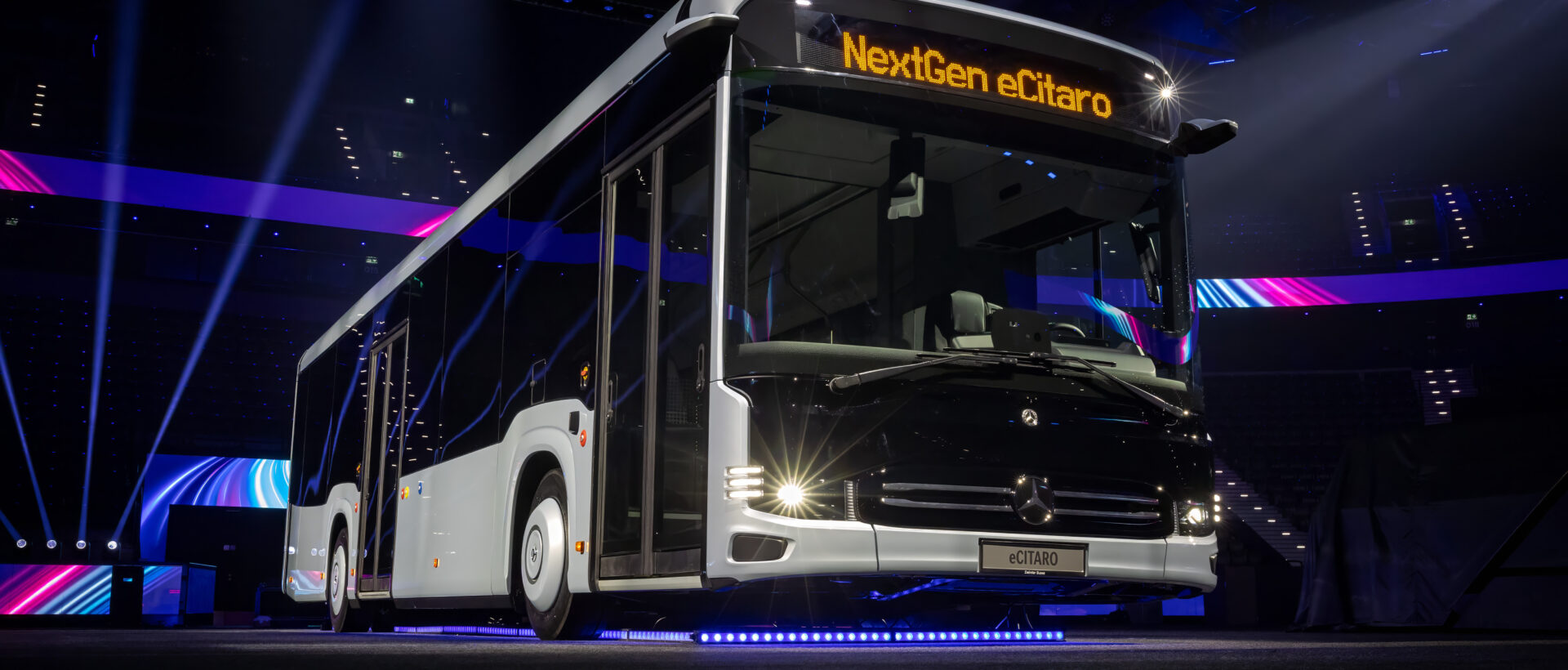
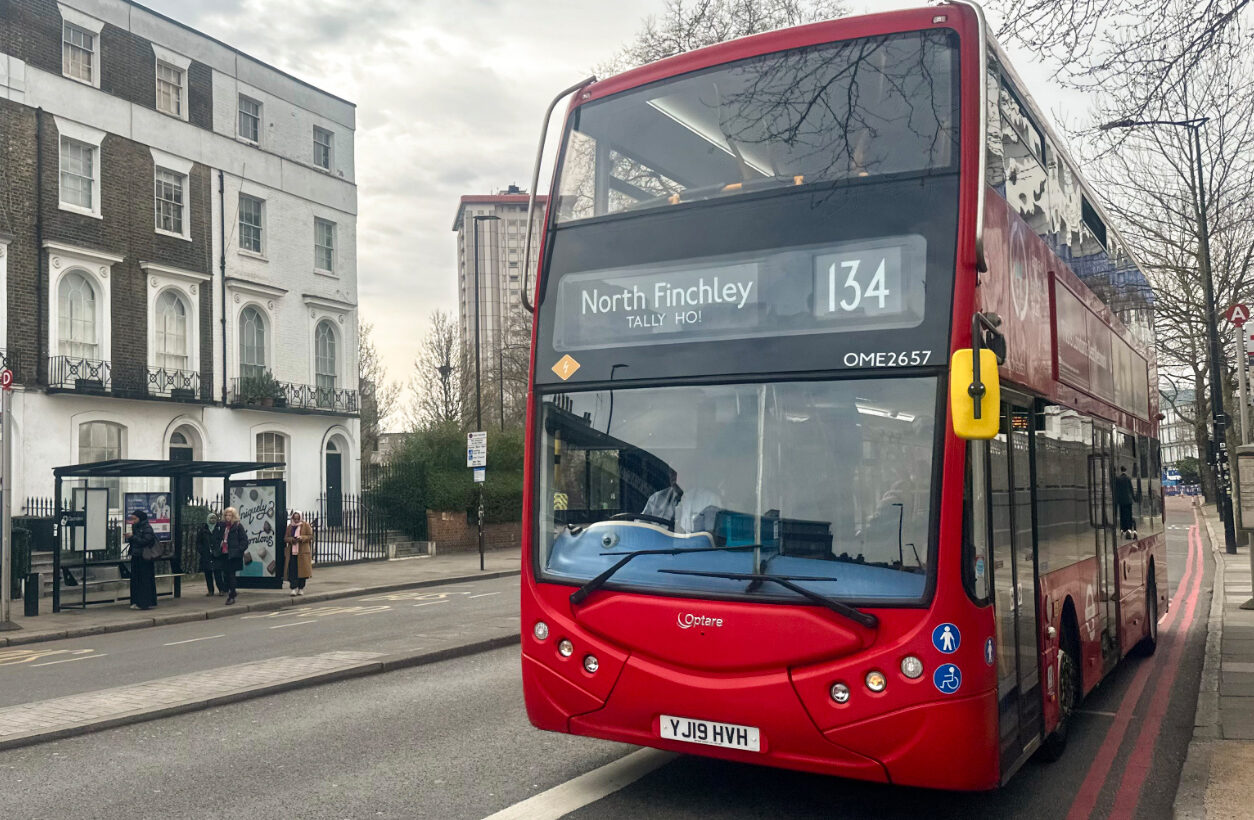
Public transport has become the backbone of modern urban mobility, and buses play a crucial role in connecting millions of people every day. With cities constantly expanding and the need to optimize space, bus bellows (also known as articulation joints or bus accordion connectors) have become central components in transport engineering.
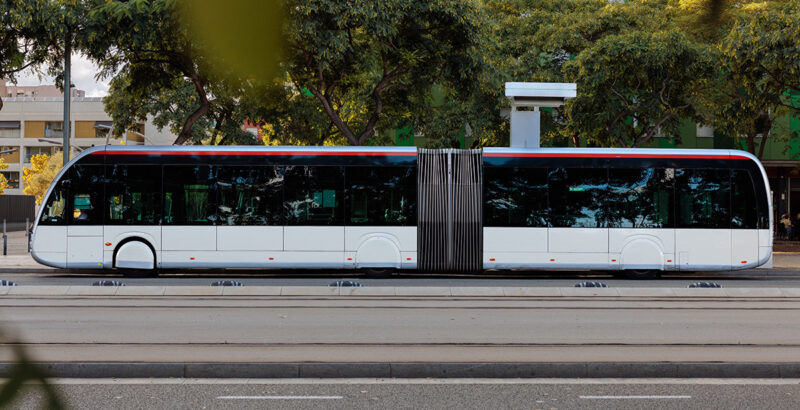
These flexible connectors allow vehicles to bend in the middle, creating articulated buses that combine extraordinary passenger capacity with excellent maneuverability. But what are the trends driving the development of this technology? Let’s explore them in this in-depth look.
1. The Growing Demand for Articulated Buses in Metropolitan Areas
In densely populated metropolises, space is a limited and precious resource. For this reason, local authorities are decisively focusing on efficient, space-saving public transport options.
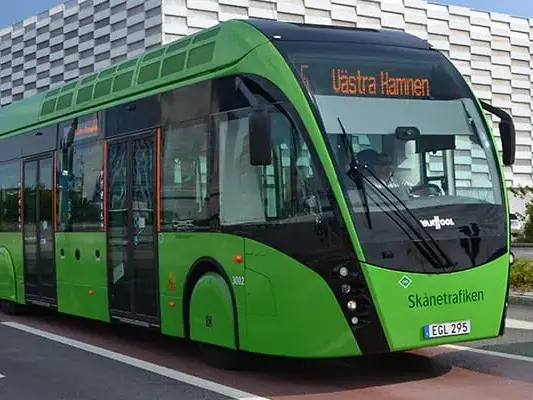
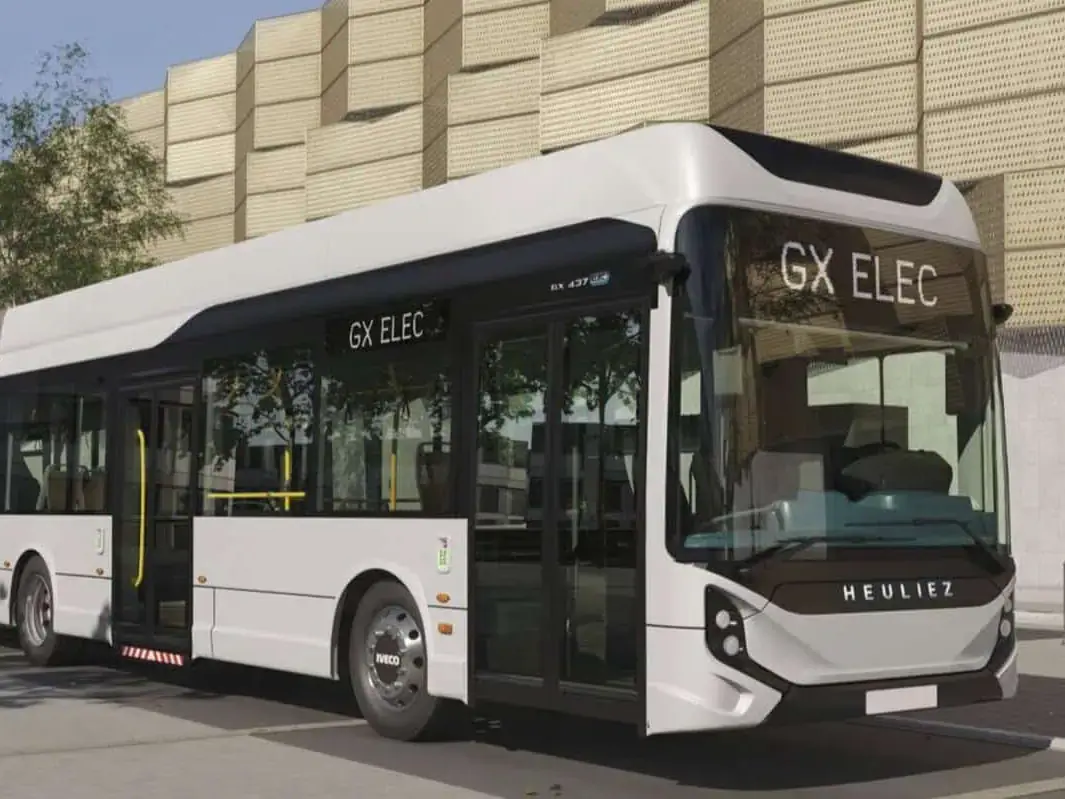
Articulated buses equipped with bellows perfectly meet this need: they allow high-capacity vehicles to navigate tight corners and congested city streets without sacrificing agility. The demand for these solutions continues to grow exponentially, driven by the need to reduce private traffic and cut carbon emissions in urban centers.
2. Passenger Comfort: A Smoother, Safer Journey
A good public transport system must also be comfortable to convince citizens to leave their cars at home. Bus bellows not only provide structural flexibility, but they also significantly enhance the onboard experience.
The articulated design ensures a smoother ride by dampening the abrupt movements that typically occur when a heavy vehicle tackles tight turns or uneven road surfaces. By absorbing vibrations and shocks, the bellows make the journey much more pleasant—a key factor in encouraging the use of mass transit.
3. Durability and Technological Innovation in Materials
Materials engineering has made giant leaps, radically transforming the strength and reliability of these components. While rubber-based compounds were primarily used in the past, modern bus bellows now utilize high-performance fabrics and polymers.
These innovations guarantee:
- Greater flexibility and resistance to constant stress;
- Total impermeability and sealing against extreme weather conditions;
- Significantly superior longevity, which translates into lower maintenance interventions for public transport fleets.
4. Environmental Benefits and Road Safety
Investing in articulated buses means making an ecological choice. By allowing a greater number of passengers to be transported with a single vehicle, the total number of vehicles on the road is drastically reduced. Fewer buses on the road equate to lower fuel consumption and cleaner air in our cities.
From a safety standpoint, the advanced technology of articulation joints also guarantees drivers superior control and stability, even when navigating tight spaces or performing complex maneuvers.
5. Cost Efficiency for Public Transport Systems
From an economic perspective, adopting articulated buses with high-quality bellows represents a highly profitable investment for transport companies.
Maximizing the number of passengers per single trip makes it possible to optimize service frequency, cutting operating costs related to fuel, vehicle wear, and personnel. Furthermore, the durable design of modern bus bellows minimizes replacement costs and less frequent repairs, further contributing to long-term savings.
Conclusion: Driving the Future of Urban Transport
Bus bellows represent much more than a simple mechanical element: they are a fundamental innovation for the future of sustainable mobility.
As urban areas continue to grow and the need for efficient transport increases, the role of articulation joints in ensuring capacity, safety, and comfort will continue to expand. Thanks to continuous progress in materials research and a constant focus on cost efficiency, modern bus bellows are helping to shape a new generation of urban mobility, making public transport increasingly smart, green, and competitive for years to come.
This article was originally published by PEI Mobility.